



The Evolution of Automotive Coatings: From Black to Vibrant Hues
Introduction
The automotive industry has undergone remarkable transformations over the years, and one often overlooked aspect is the development of automotive coatings. These coatings not only protect vehicles from environmental factors but also contribute to their aesthetics. Let’s explore the fascinating journey of automotive paints from the early days to the present.
Birth of Automotive Coatings
In the early 20th century, Henry Ford famously quipped, “The customer can get the Model T painted in any color he wants, so long as it’s black!” At the time, Ford believed that black was the most practical automotive paint for the Model T due to its durability and cost-effectiveness. However, the black paint used on the Model T was not specifically designed for automobiles; it was based on natural linseed oil resin and took about a week to dry when applied by hand brushing.
This slow painting process caused production bottlenecks, prompting the development of the first automotive coating: DuPont Company’s “Duco” paint. Duco was a synthetic lacquer resin that dried within a few hours, revolutionizing productivity on the assembly line. General Motors adopted Duco finishes for their entire automotive line in 1924, marking a significant advancement in automotive coatings technology.
Advancements Over Time
Since then, the automotive coatings industry has seen continuous innovation. Here are some key milestones:
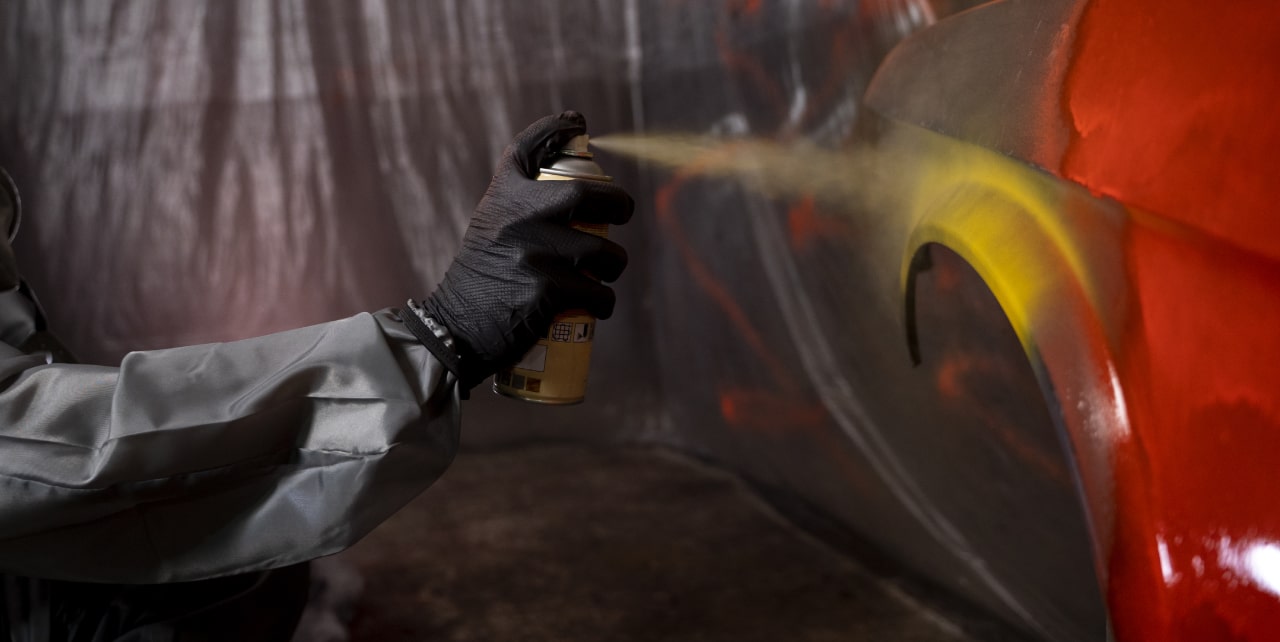
- Spray Painting: In 1924, the Oakland became the first vehicle to be spray-painted, replacing the labor-intensive hand-brushing method. Spray painting allowed for more even coverage and faster production.
- Alkyd Enamel and Nitrocellulose Lacquer: In the 1930s, alkyd enamel and nitrocellulose lacquer gained prominence in auto production. These coatings were used extensively by Chrysler, Ford, Studebaker, and other manufacturers. Alkyd enamel provided durability, while nitrocellulose lacquer offered a glossy finish.
- Color Variety: Duco and subsequent coatings allowed for a wide range of colors beyond black. The automotive industry embraced colored lacquer bodies and enameled fenders, giving rise to vibrant hues on the roads.
- Advances in Chemistry: Many breakthroughs in coatings science originated from automotive coatings research. Industry needs have driven the development of new chemistries and technologies. From acrylics to polyurethanes, each generation of coatings has improved durability, UV resistance, and environmental friendliness.
The Art and Science of Automotive Coatings
Automotive coatings are not just functional; they are also an art form. Car enthusiasts appreciate the gleaming finishes, metallic effects, and custom paint jobs that make each vehicle unique. Modern coatings incorporate nanotechnology, self-healing properties, and even color-changing pigments.
Conclusion
Next time you admire the glossy finish of a car or notice its vibrant color, remember the journey that automotive coatings have taken—from the days of black-only Model Ts to the kaleidoscope of hues we see today. The evolution of automotive coatings reflects not only technological progress but also the artistry and aesthetics that define our beloved cars! 🌟🎨